







Sample Real Estate Business Plan PDF Free Download
A real estate business can be a highly profitable venture, but like any business, it requires careful planning and strategy. One of the most important steps in starting a real estate business is creating a…
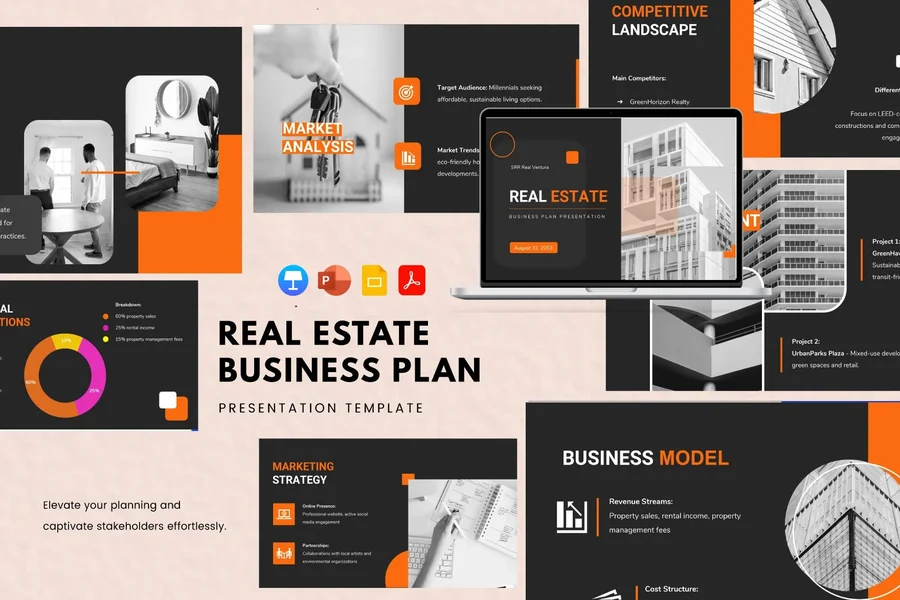
A real estate business can be a highly profitable venture, but like any business, it requires careful planning and strategy. One of the most important steps in starting a real estate business is creating a detailed business plan. A sample real estate business plan PDF can serve as a roadmap, outlining the strategies, goals, and actions needed to succeed in this competitive industry. Whether you’re just starting or looking to expand, having a solid business plan in place is essential for your success.
In this article, we will guide you through the process of creating a real estate business plan, discussing the key components, how to structure it, and why it’s important. Let’s dive into what makes a sample real estate business plan PDF an invaluable tool for your business.
Why a Real Estate Business Plan is Important
A real estate business plan is a vital document that outlines your business objectives, strategies, and the steps you’ll take to achieve success. Whether you’re focusing on residential properties, commercial real estate, or real estate investment, a business plan will give you a clear vision of your goals and how you plan to reach them.
A well-written business plan is essential if you are seeking funding or investors. Lenders and investors want to see that you have a structured approach to your business and understand the risks involved. It’s also a valuable tool for internal management, helping you track your progress, adjust strategies, and stay on course.
Having a business plan in place allows you to focus on the tasks that will help you grow your business, identify your target market, and create a strategy that maximizes your success.
Key Components of a Real Estate Business Plan PDF
When creating a real estate business plan PDF, it’s important to cover all the essential components. These sections will help you organize your thoughts, present your strategies clearly, and set your business up for success.
Executive Summary
The executive summary is the first section of your business plan but is often written last. It provides a brief overview of your business, your mission, and your key objectives. The executive summary should include a description of your real estate business, the market you are targeting, and a summary of your financial projections. It’s important to make this section engaging, as it will set the tone for the rest of your plan.
Company Description
In this section, describe your real estate business in more detail. Explain what your business does, the services you provide, and your business model. Are you focusing on residential properties, commercial real estate, property management, or real estate investment? Discuss your mission, vision, and values, and outline the goals of your business. This is also where you should describe your team and any expertise you or your partners bring to the business.
Market Research and Analysis
Market research is critical in the real estate industry. This section should provide an in-depth analysis of the market you plan to operate in. Identify your target audience—are you targeting first-time homebuyers, investors, renters, or businesses looking for office space? You should also research the local real estate market, including trends, property values, and the demand for real estate in the area.
Include information about your competition, and explain how you plan to differentiate your business from others in the market. Are you offering unique services, better customer service, or specialized knowledge of a particular property type? Your market analysis will help you understand the opportunities and challenges in your industry and how you can stand out.
Services Offered
This section details the specific services your real estate business will offer. Will you focus on residential sales, commercial properties, property management, or real estate investment? Be specific about the types of properties you will deal with and any services you will offer, such as real estate consulting, property staging, or investment advisory.
If your business involves property management, explain how you will handle tasks like tenant relations, maintenance, and lease agreements. For real estate investors, outline how you plan to find, acquire, and manage profitable properties. This section helps investors and partners understand exactly what your business will do and how it will generate revenue.
Marketing and Sales Strategy
Your marketing and sales strategy will outline how you plan to attract clients and grow your real estate business. This section should include details on how you will promote your services, whether through online marketing, social media, networking, or traditional advertising.
Describe your unique selling proposition (USP)—what makes your business stand out from competitors? Are you focusing on a niche market, such as luxury homes or eco-friendly properties? Will you use digital marketing techniques like search engine optimization (SEO) or pay-per-click (PPC) ads? You should also explain your sales process—how will you convert leads into clients, and how will you retain them?
Operations Plan
The operations plan outlines the daily activities of your real estate business. This section includes details on your business location, equipment, and technology. Will you have a physical office or work remotely? What tools will you use to manage your listings, client relationships, and transactions?
This section should also cover staffing needs. How many employees will you need to start, and what roles will they fill? Will you hire real estate agents, administrative assistants, or marketing professionals? If you plan to work with independent contractors or partners, include their roles and responsibilities.
Financial Projections
The financial projections section is crucial for demonstrating the financial viability of your real estate business. Include projected income, expenses, and profits for the first three to five years. This should include your startup costs, ongoing operational costs, and expected revenue streams.
Be sure to include detailed financial statements such as income statements, cash flow projections, and balance sheets. Your financial projections should also include a break-even analysis, showing when you expect your business to become profitable. Investors will pay close attention to this section to ensure that your business can generate enough revenue to sustain its operations.
Funding Request (If Applicable)
If you are seeking funding to start or grow your real estate business, include a funding request section in your business plan. Be clear about how much capital you need and how you will use it. Are you seeking a loan to cover startup costs, or are you looking for investors to fund expansion? Explain how you will repay loans or offer equity to investors.
How to Format Your Real Estate Business Plan PDF
A well-formatted business plan is easy to read and visually appealing. Use headings, subheadings, and bullet points to break up large sections of text. Keep the document organized, and use a clean, professional design. If you include financial data or market research, use charts, graphs, or tables to present the information in a clear and easy-to-understand format.
The layout of your real estate business plan PDF should be consistent, with clear fonts, spacing, and margins. Make sure each section flows logically from one to the next, making it easy for potential investors or partners to follow your business strategy.
FAQs
What is a sample real estate business plan PDF?
A sample real estate business plan PDF is a document that outlines your business’s goals, services, market analysis, and financial projections. It serves as a roadmap for running your real estate business and helps you organize your ideas.
Why do I need a business plan for my real estate business?
A business plan helps you define your objectives, attract investors, and plan for long-term success. It provides a clear direction for your business and helps you navigate challenges and opportunities.
What should be included in a real estate business plan?
Your real estate business plan should include an executive summary, company description, market research, services offered, marketing strategy, operations plan, financial projections, and a funding request if applicable.
How do I write a real estate business plan?
To write a real estate business plan, focus on clarity and detail. Research your market, define your services, outline your sales strategy, and create realistic financial projections. Tailor the plan to your target audience, whether investors or partners.
How long should a real estate business plan be?
A real estate business plan is typically between 15 and 20 pages long. It should provide enough detail to explain your business and its goals while remaining concise and engaging.